The 24 runes of the Elder Futhark: meaning and consultation
The 24 runes of the Elder Futhark, one by one: their message, their reading in love and at work, and what they announce reversed.
First aett — Freyr
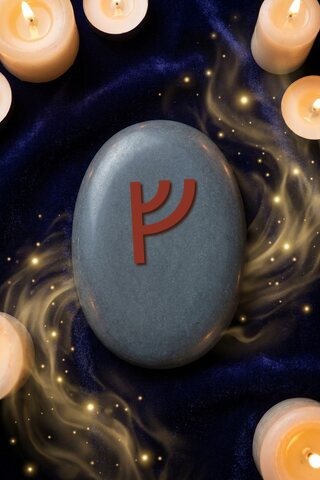
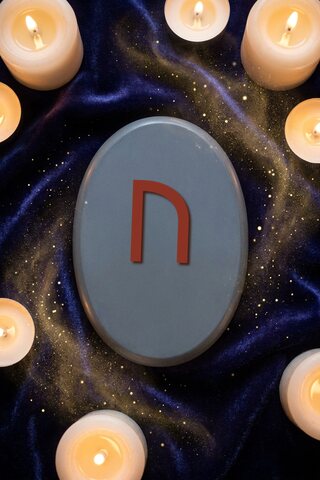
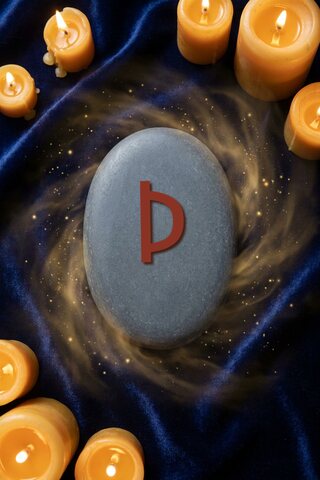
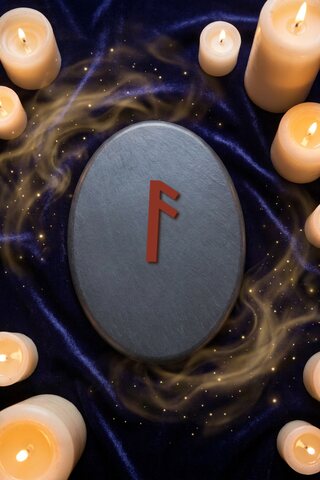
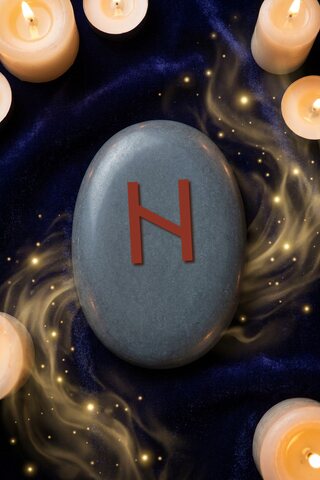
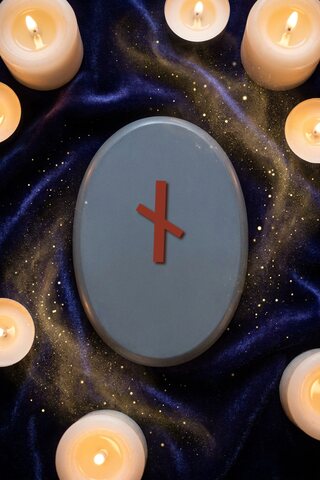
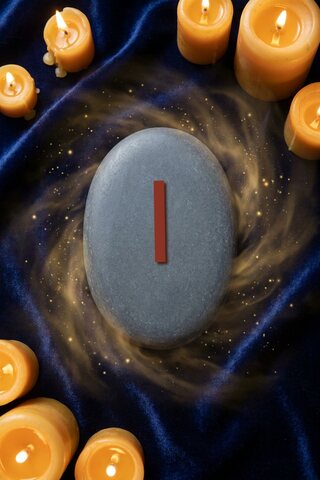
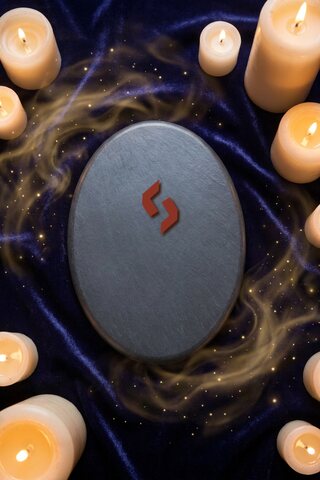
Second aett — Hagal
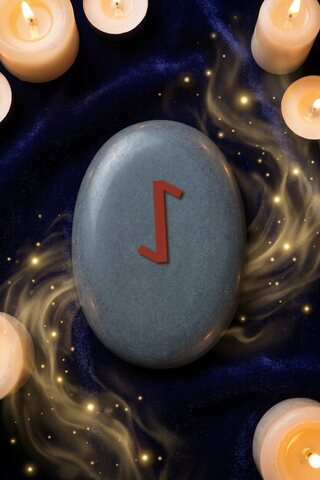
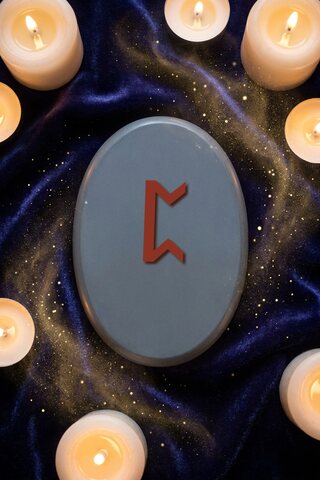
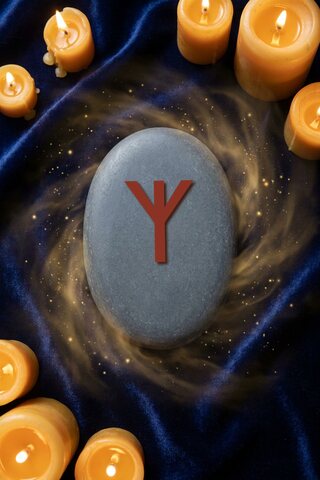
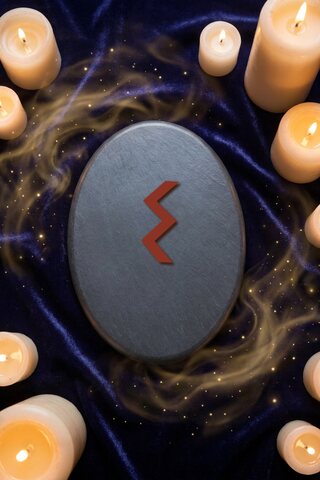
Third aett — Tyr
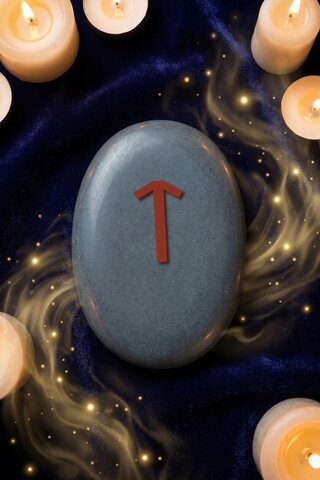
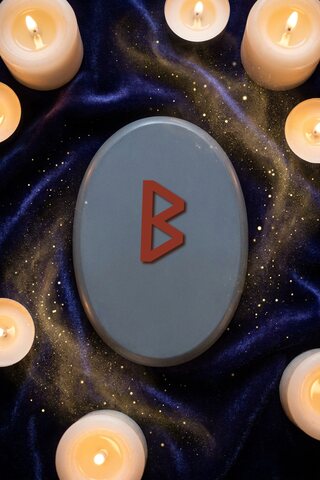
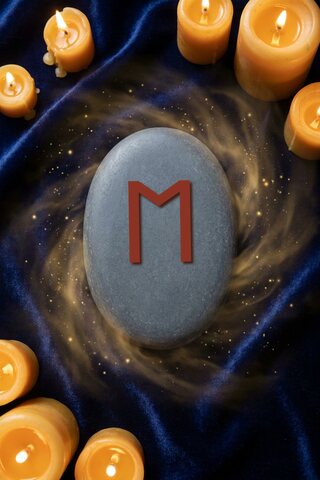
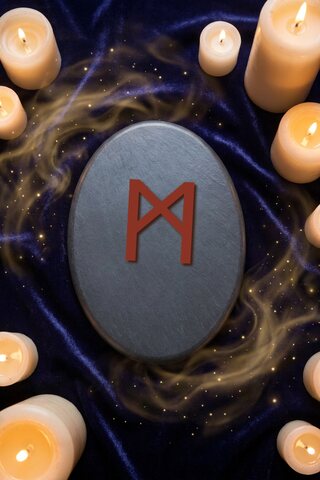
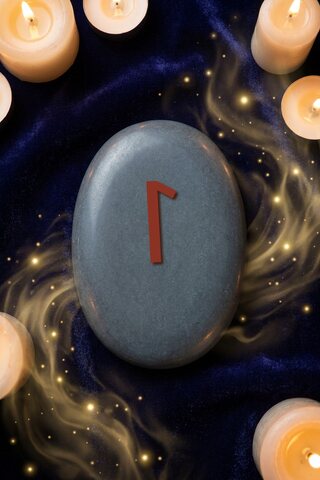
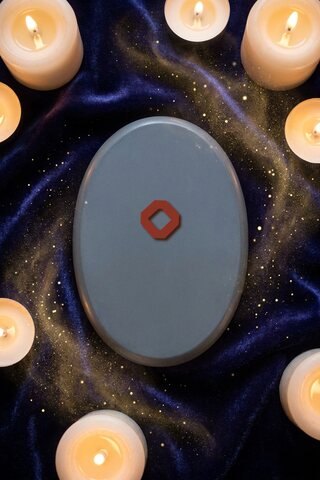
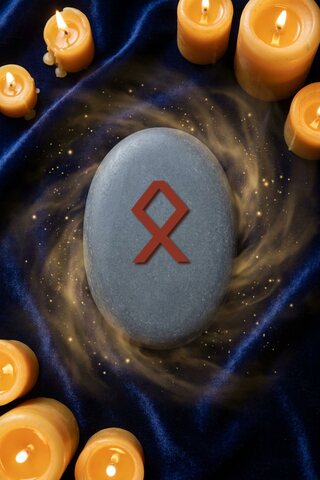
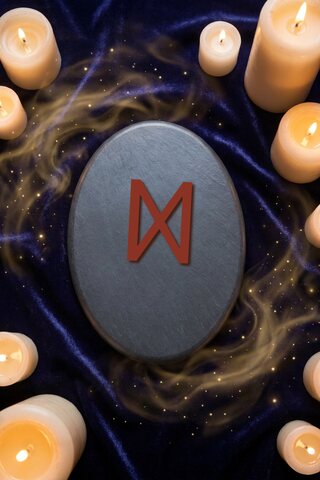
Welcome to the complete index of the Viking runes. Here you will find the 24 runes of the Elder Futhark explained one by one: their name, their symbol, their upright meaning, and their reversed reading. Use it as a reference dictionary or as a gateway to a system of wisdom with more than fifteen hundred years of history.
What the runes are
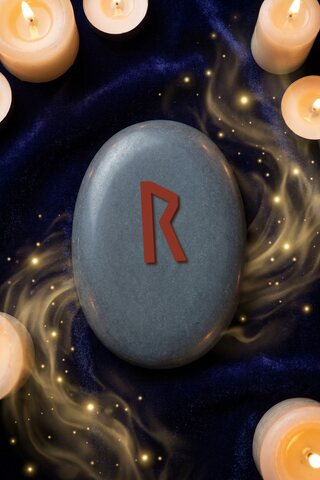
The runes are the signs of the alphabet used by the Germanic and Scandinavian peoples between the 2nd and 8th centuries. But they were far more than letters: each rune was a sacred symbol that condensed a force of nature or of life —cattle and wealth in Fehu, the primal strength of the wild aurochs in Uruz, the journey in Raido, the protection of the elk in Algiz—. According to myth, it was Odin who won their secret after hanging for nine nights from the tree Yggdrasil.
The three aettir
Tradition arranges the 24 runes into three groups of eight called aettir (families), each with its own character:
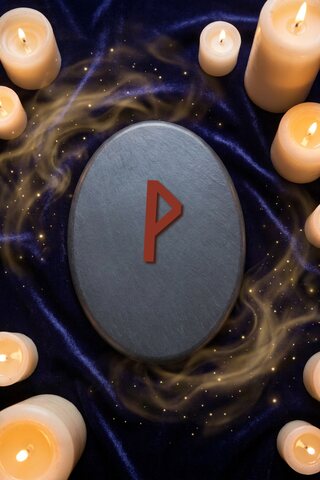
- Aett of Freyr (from Fehu to Wunjo): the forces of material life — abundance, communication, gifts, and joy.
- Aett of Hagal (from Hagalaz to Sowilo): trials and transformations — what breaks, what stops, and what is reborn.
- Aett of Tyr (from Tiwaz to Othala): the human and spiritual plane — justice, bonds, heritage, and destiny.
How to use these entries alongside the reading
Each entry in this index goes deeper into one rune: history, symbolism, upright and reversed message. The most alive way to use them is paired with a reading: first do your 3-rune Viking reading —or the complete 7-rune reading if your question calls for more detail— and then come back here to explore in depth the symbols that came up. You will see how each reading gains layers of meaning.
The runes do not dictate sentences: they point to forces in motion so that you can decide with more light. Choose a rune from the index and start getting to know them.
Frequently asked questions about the runes
¿Cuántas runas hay?
El futhark antiguo, el sistema rúnico clásico, tiene 24 runas ordenadas en tres grupos de ocho llamados aettir. Existen variantes posteriores, como el futhark joven de 16 runas, pero el de 24 es el que se usa para la consulta oracular.
¿Qué significan las runas vikingas?
Cada runa condensa una fuerza de la vida o de la naturaleza: Fehu habla de abundancia, Uruz de fuerza, Raido de viajes, Algiz de protección. En este índice tienes las 24 explicadas una a una con su lectura al derecho e invertida.
¿Cómo se consultan las runas?
Tradicionalmente se extraen al azar de una bolsa o se lanzan sobre un paño. Online funciona igual en lo esencial: formulas una pregunta abierta, eliges tus runas y lees el mensaje de cada posición. Puedes hacerlo gratis con nuestras tiradas de 3 y de 7 runas.
¿Qué pasa si sale una runa invertida?
Nada malo por sí mismo: una runa invertida indica que su energía está bloqueada, retrasada o vuelta hacia dentro. Es un aviso para revisar algo, no un mal presagio. Algunas runas simétricas, como Gebo o Isa, no tienen posición invertida.
Consult the runes now
Focus on your question, draw your runes and receive a personalized interpretation of their message.
Free Viking Runes reading